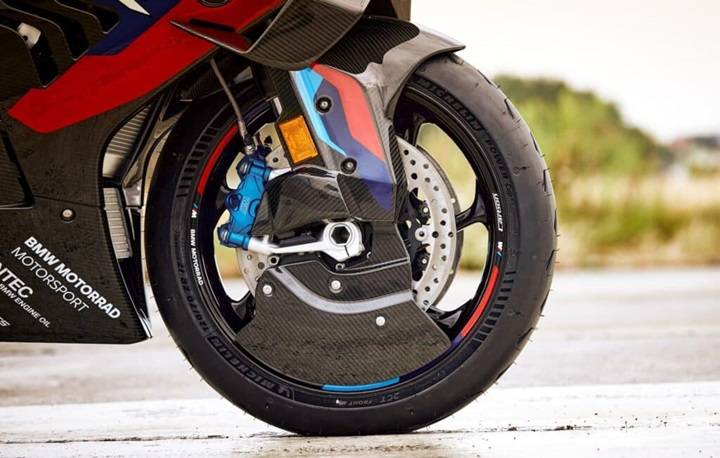
Welcome to our ultimate guide on motorcycle and ATV parts, focusing specifically on moto brakes. Whether you’re a seasoned rider or just starting out, understanding your brakes is crucial for safety and optimal performance. In this comprehensive article, we’ll delve deep into the world of motorcycle and ATV brakes, covering everything from the basics of brake systems to maintenance tips and upgrades. Let’s hit the road (or trail) and explore!
Understanding Motorcycle & ATV Brake Systems Subheading: The Basics of Braking
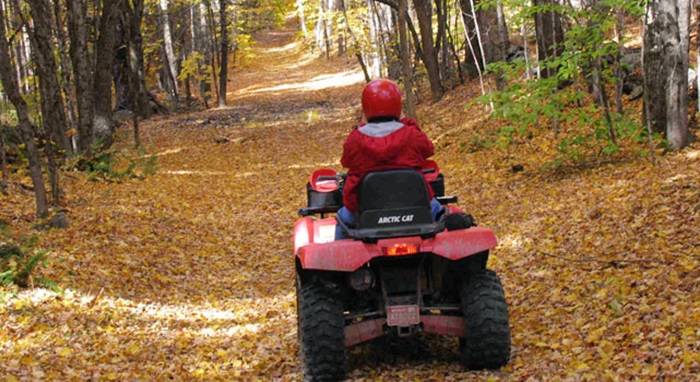
- Introduction to braking systems on motorcycles and ATVs
- Different types of brakes: disc brakes, drum brakes, and their variations
- How brakes function to slow down and stop the vehicle
- Importance of brake balance for stability and control
Components of Brake Systems
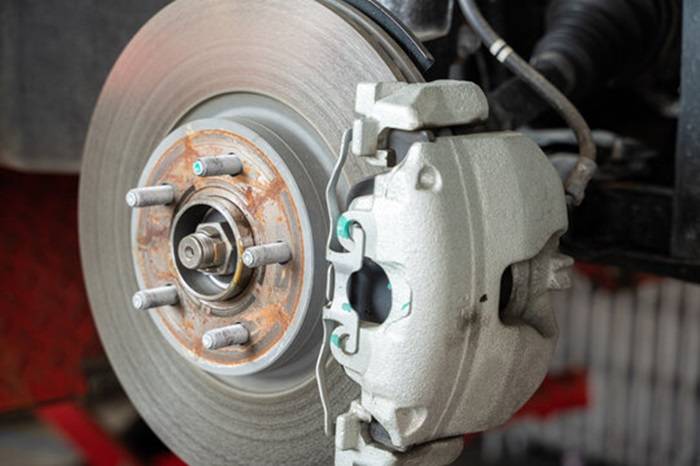
- Brake calipers: their role and types (floating calipers, opposed-piston calipers)
- Brake pads and shoes: materials and characteristics (organic, semi-metallic, ceramic)
- Brake rotors and drums: construction and function
- Brake lines and hoses: importance of hydraulic systems in modern braking
Maintenance Tips for Motorcycle & ATV Brakes Subheading: Regular Inspections
- Importance of inspecting brakes before every ride
- Checking brake pad thickness and wear indicators
- Inspecting brake fluid levels and condition
- Examining brake lines for leaks or damage
Brake Fluid Flush and Bleeding
- Explanation of brake fluid’s role in hydraulic systems
- Importance of regular fluid flushes to prevent moisture buildup
- Step-by-step guide to bleeding brakes for optimal performance
Brake Pad Replacement
- Signs indicating the need for brake pad replacement
- Step-by-step procedure for replacing brake pads
- Tips for choosing the right brake pads for your motorcycle or ATV
Rotor and Drum Maintenance
- How to inspect rotors and drums for wear and damage
- Procedures for resurfacing or replacing worn-out rotors and drums
- Importance of proper bedding-in process for new rotors and pads
Upgrading Your Motorcycle & ATV Brakes Subheading: Performance Brake Pads
- Benefits of upgrading to high-performance brake pads
- Different types of performance pads: sintered, carbon-ceramic, etc.
- Considerations for street riding vs. track or off-road use
Brake Line Upgrades
- Importance of upgrading brake lines for improved feel and performance
- Materials used in aftermarket brake lines: stainless steel, kevlar, etc.
- How braided lines reduce flex and improve brake response
Big Brake Kits
- Explanation of big brake kits and their benefits
- Considerations for installing larger rotors and calipers
- Compatibility issues and modifications required for installation
Troubleshooting Common Brake Issues Subheading: Spongy Brakes
- Causes of sponginess in brake feel
- Steps to diagnose and fix spongy brakes
- Importance of proper bleeding and maintenance
Brake Fade
- What causes brake fade and how it affects braking performance
- Techniques for managing brake fade during extended use
- Upgrades and adjustments to mitigate brake fade
Noisy Brakes
- Common causes of brake noise (squealing, grinding, etc.)
- Solutions for reducing or eliminating brake noise
- Importance of proper bedding-in and maintenance practices
Safety Considerations and Riding Tips Subheading: Brake Technique
- Proper use of front and rear brakes for maximum effectiveness
- Importance of progressive braking and avoiding panic stops
- Tips for braking in various riding conditions (rain, gravel, etc.)
Emergency Procedures
- What to do in the event of brake failure or malfunction
- Techniques for downshifting and using engine braking as a backup
- Importance of maintaining situational awareness and avoiding panic
Congratulations! You’ve completed our comprehensive guide to motorcycle and ATV brakes. By now, you should have a solid understanding of brake systems, maintenance procedures, upgrades, and safety considerations. Remember, your brakes are your lifeline on the road or trail, so always prioritize their maintenance and performance. Happy riding, and stay safe out there!
