In the realm of makeup, blush holds a special place as a transformative product that adds a healthy flush to your complexion. From enhancing cheekbones to providing a youthful glow, the right blush can elevate your entire look. However, navigating the world of face makeup blush can be overwhelming with countless formulas, shades, and application techniques available. Fear not! This comprehensive guide will delve into everything you need to know about face makeup blush, from its history and types to application tips and troubleshooting common mistakes.
Table of Contents:
- History of Blush
- Types of Blush
- Powder Blush
- Cream Blush
- Liquid Blush
- Gel Blush
- Choosing the Right Blush for Your Skin Type
- Oily Skin
- Dry Skin
- Combination Skin
- Sensitive Skin
- Selecting the Perfect Blush Shade
- Skin Tone Matching
- Undertones
- Occasion and Makeup Look
- Application Techniques
- Tools of the Trade: Brushes vs. Fingers vs. Sponges
- Placement for Different Face Shapes
- Blending Techniques
- Layering for Intensity
- Blush as a Multi-Tasker
- Eyeshadow
- Lip Color
- Contouring
- Common Mistakes and How to Fix Them
- Over-application
- Incorrect Shade Selection
- Patchy Application
- Setting Blush Properly
- Longevity and Setting
- Setting Sprays
- Powder vs. Cream Setting
- Touch-Up Tips
- Blush Trends and Innovations
- Sustainable Packaging
- Inclusive Shade Ranges
- Skincare-Infused Formulas
History of Blush
Blush has been a staple in cosmetics for centuries, dating back to ancient civilizations such as Egypt and Greece. In ancient Egypt, both men and women used crushed berries to add color to their cheeks. During the Renaissance era, blush regained popularity as a symbol of youth and vitality, with women using various concoctions of berries, roots, and even insects to achieve the desired rosy glow. Fast forward to the modern era, and blush has evolved into a sophisticated cosmetic product available in a myriad of formulations and shades to suit every preference.
Types of Blush
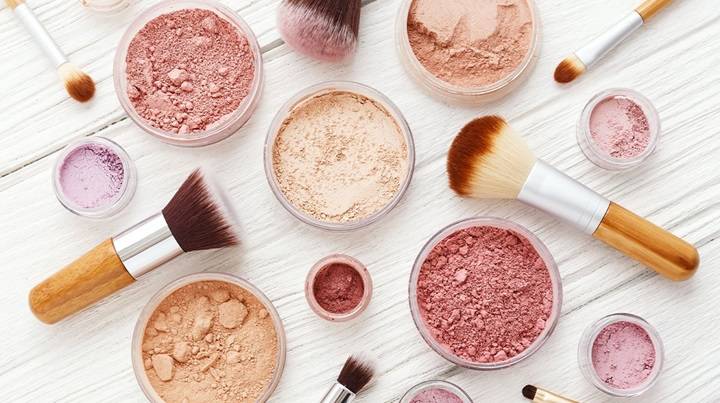
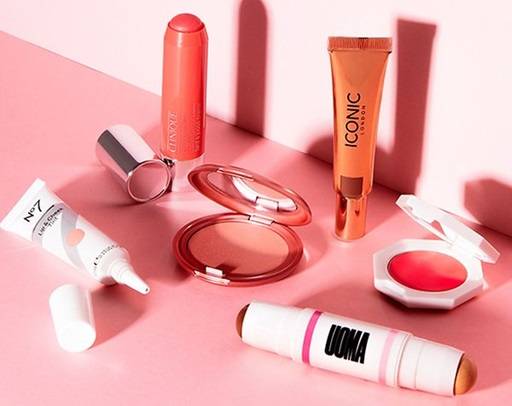
- Powder Blush: This classic formulation is beloved for its ease of application and buildable coverage. Ideal for all skin types, powder blushes come in matte, satin, and shimmer finishes, offering versatility for different makeup looks.
- Cream Blush: Perfect for dry or mature skin, cream blushes impart a natural, dewy finish. They blend seamlessly into the skin and can be applied with fingers for a fuss-free application.
- Liquid Blush: Known for their lightweight texture and blendability, liquid blushes provide a sheer wash of color that can be layered for intensity. They are great for achieving a natural, lit-from-within glow.
- Gel Blush: Gel blushes offer a fresh, translucent tint that melts into the skin for a seamless finish. They are ideal for creating a subtle flush and are often long-wearing, making them suitable for all-day wear.
Choosing the Right Blush for Your Skin Type
- Oily Skin: Opt for powder blushes with oil-absorbing properties to minimize shine throughout the day.
- Dry Skin: Cream blushes are a great choice for dry skin types as they provide hydration and a luminous finish.
- Combination Skin: Experiment with different formulations to find what works best for different areas of your face. For example, use a cream blush on dry cheeks and a powder blush on oily T-zone.
- Sensitive Skin: Look for blush formulas that are fragrance-free and hypoallergenic to minimize irritation.
Selecting the Perfect Blush Shade
- Skin Tone Matching: Choose blush shades that complement your skin tone rather than overpowering it. Fair skin tones may opt for soft pinks and peaches, while deeper skin tones can rock rich berries and terracottas.
- Undertones: Consider your skin’s undertones when selecting a blush shade. Cool undertones pair well with rosy pinks, while warm undertones complement peachy and coral hues.
- Occasion and Makeup Look: Tailor your blush shade to the occasion and overall makeup look. Opt for subtle, natural tones for daytime wear and bolder, statement shades for evening events.
Application Techniques
- Tools of the Trade: Experiment with different application tools such as brushes, fingers, or sponges to find what works best for you.
- Placement for Different Face Shapes: Apply blush according to your face shape to accentuate your features. For round faces, focus blush on the apples of the cheeks and blend towards the temples to create a lifted effect. For angular faces, apply blush slightly below the cheekbones to soften the angles.
- Blending Techniques: Blend blush seamlessly into the skin using circular motions for a natural finish. Avoid harsh lines by diffusing the edges with a clean brush or sponge.
- Layering for Intensity: Build up the intensity of blush gradually by layering thin washes of color until you achieve the desired effect.
Blush as a Multi-Tasker
- Eyeshadow: Use blush as eyeshadow by applying it to the eyelids for a cohesive makeup look. Monochromatic makeup looks are on-trend and effortless to achieve with blush as the hero product.
- Lip Color: Dab a small amount of blush onto the lips for a natural, flushed lip color. Top with clear gloss for a glossy finish or mattify with translucent powder for a velvet matte look.
- Contouring: Utilize blush for subtle contouring by applying a deeper shade beneath the cheekbones to add dimension to the face.
Common Mistakes and How to Fix Them
- Over-application: Start with a small amount of product and build up as needed to avoid clown-like cheeks. If you’ve applied too much blush, blend it out with a clean brush or sponge for a softer effect.
- Incorrect Shade Selection: If you’ve chosen a blush shade that doesn’t flatter your skin tone, tone it down by layering a neutral powder over the blush or mixing it with a lighter shade to customize the color.
- Patchy Application: Ensure your skin is properly prepped and moisturized before applying blush to prevent patchiness. If patchiness occurs, blend out the edges with a clean brush or sponge.
- Setting Blush Properly: Set cream blushes with a translucent powder to prevent them from slipping and sliding throughout the day. For powder blushes, lightly dust translucent powder over the top to enhance longevity.
Longevity and Setting
- Setting Sprays: Lock in your makeup, including blush, with a setting spray to extend its wear time and prevent fading or smudging.
- Powder vs. Cream Setting: Set powder blushes with a translucent powder to mattify and prolong wear. For cream blushes, set with a translucent powder or a matching powder blush to
