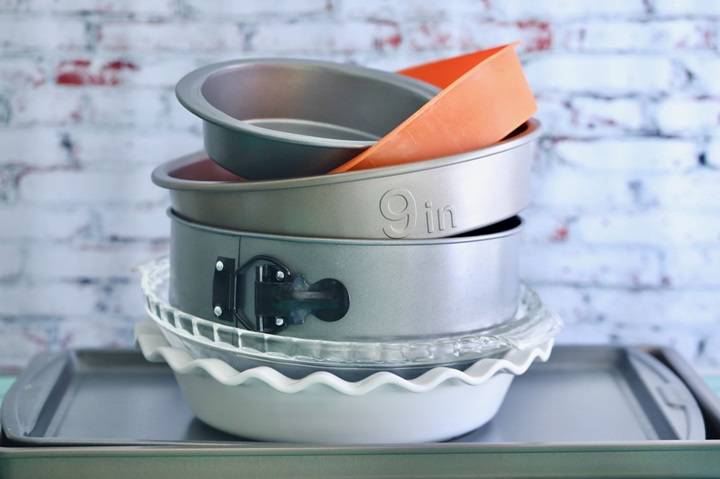
In the realm of baking, having the right tools can make all the difference between a culinary masterpiece and a kitchen disaster. Among the essential equipment are baking trays and molds, versatile implements that come in a variety of shapes, sizes, and materials. In this comprehensive guide, we’ll delve into everything you need to know about bakeware, focusing specifically on baking trays and molds. From understanding the different types to mastering their usage techniques, let’s embark on a journey to elevate your baking endeavors to new heights.
Understanding Bakeware:

Bakeware encompasses a wide range of tools and equipment used in the baking process. It includes items such as cake pans, cookie sheets, muffin tins, and, of course, baking trays and molds. These items are crafted from various materials, each offering distinct advantages and suitability for different types of baked goods.
Types of Baking Trays:
- Cookie Sheets:
- Description: Cookie sheets, also known as baking sheets, are flat, rectangular trays typically made from aluminum or stainless steel.
- Usage: Ideal for baking cookies, biscuits, and other flatbreads. They feature a rimless design, allowing for easy removal of baked goods.
- Sheet Pans:
- Description: Sheet pans closely resemble cookie sheets but come with raised edges, making them suitable for a broader range of recipes.
- Usage: Perfect for baking sheet cakes, roasting vegetables, and preparing one-pan meals. The raised edges prevent spillage and facilitate easy handling.
- Jelly Roll Pans:
- Description: Jelly roll pans are similar to sheet pans but have slightly higher edges, typically around 1 inch tall.
- Usage: Primarily used for making jelly rolls, Swiss rolls, and thin cakes that require rolling. The higher edges prevent batter from overflowing.
- Baking Trays with Racks:
- Description: These trays come with removable racks that elevate food from the surface, allowing air to circulate evenly during baking.
- Usage: Ideal for roasting meats, baking bacon, or achieving crispy textures on baked goods. The rack promotes even browning and helps drain excess fat.
Types of Baking Molds:
- Cake Pans:
- Description: Cake pans come in various shapes and sizes, including round, square, and rectangular, and are typically made from aluminum or silicone.
- Usage: Essential for baking layer cakes, cheesecakes, and specialty desserts. Choose the appropriate size and shape based on your recipe requirements.
- Muffin and Cupcake Tins:
- Description: These molds feature multiple cavities, each designed to hold individual portions of batter.
- Usage: Perfect for baking muffins, cupcakes, mini quiches, and other single-serve treats. Opt for non-stick varieties for easy release of baked goods.
- Bundt Pans:
- Description: Bundt pans are characterized by their distinctive ring shape with fluted sides.
- Usage: Ideal for baking bundt cakes, coffee cakes, and molded desserts. The intricate design adds visual appeal to your baked creations.
- Pie and Tart Pans:
- Description: Pie and tart pans come in various sizes and materials, including glass, ceramic, and metal.
- Usage: Essential for baking pies, tarts, quiches, and savory pastries. Choose a pan with a removable bottom for easy serving and slicing.
Choosing the Right Material:

- Aluminum: Offers excellent heat conductivity, resulting in even baking. Lightweight and affordable, but prone to warping over time.
- Stainless Steel: Durable and resistant to rust and corrosion. Provides even heat distribution but may require greasing or lining for non-stick properties.
- Silicone: Flexible and non-stick, making it easy to release baked goods. Heat-resistant and dishwasher-safe for effortless cleaning.
Maintenance and Care:
- Hand wash bakeware with mild soap and warm water to preserve its integrity.
- Avoid using abrasive cleaners or metal utensils that can scratch the surface.
- Dry thoroughly after washing to prevent rust or corrosion, especially for metal bakeware.
Baking trays and molds are indispensable tools for any home baker, offering versatility, convenience, and endless possibilities for culinary creativity. By understanding the different types, materials, and usage techniques, you can elevate your baking skills and delight your family and friends with delicious homemade treats. Invest in high-quality bakeware, care for it diligently, and let your imagination soar in the kitchen. Happy baking!
